Finley Braun · 19 September 2026
Riverside Treasures Spark Fresh History Learning Initiatives Across Marlow
Marlow's riverside heritage sites have long stood as quiet witnesses to centuries of local development, and now those same landmarks are fueling a wave of community education programs designed specifically for history enthusiasts in the area, with several initiatives set to expand their reach by September 2026. The Thames path through town features structures ranging from old boathouses to preserved mill remains, and researchers have documented how these locations provide tangible connections to industrial and social history that classroom materials alone cannot replicate.
Heritage Sites Along the Water
Observers note that the collection of riverside features includes the remnants of 18th-century wharves and the restored lock mechanisms that once managed river traffic, while the surrounding buildings reflect Georgian and Victorian architectural styles that tell stories of trade and leisure. Data from local surveys shows these spots attract steady foot traffic year-round, and groups have begun mapping walking routes that link multiple points so participants can trace how the river shaped daily life over generations. One study revealed connections between the sites and broader regional patterns, such as shifts in commerce after the arrival of railways, which helps explain why education coordinators chose these locations as anchors for new workshops.
Programs Taking Shape for Enthusiasts
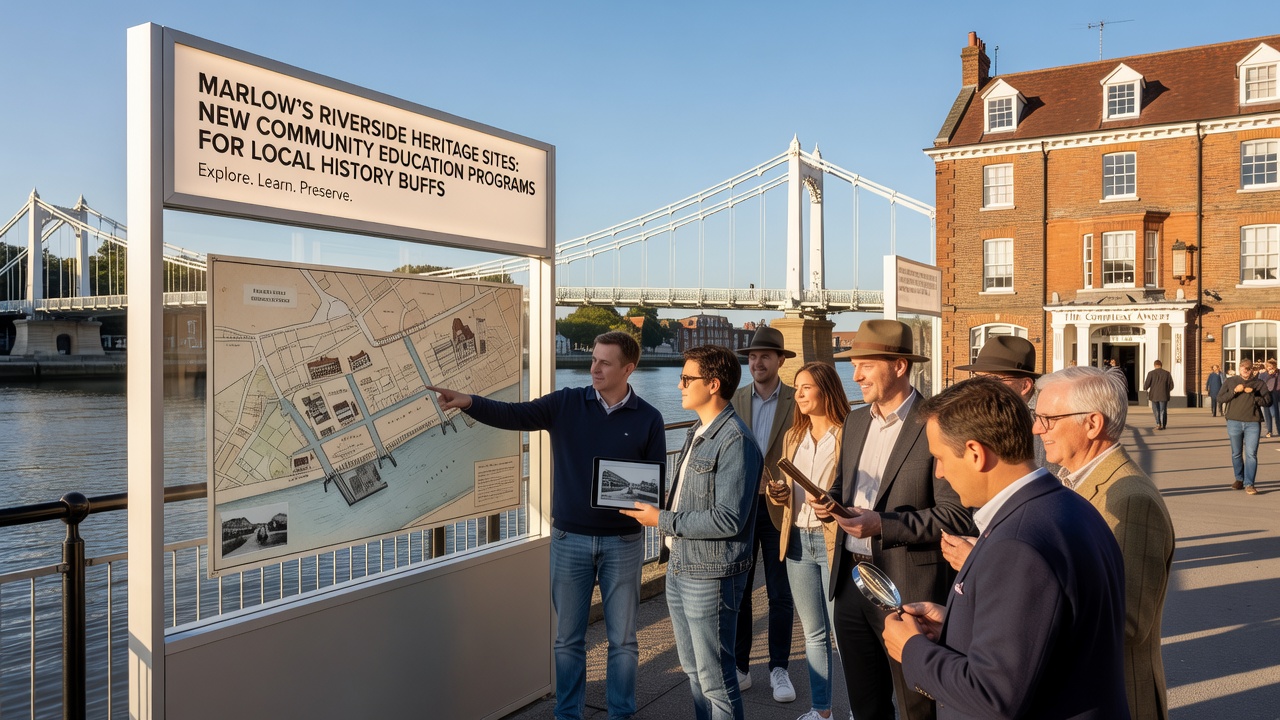
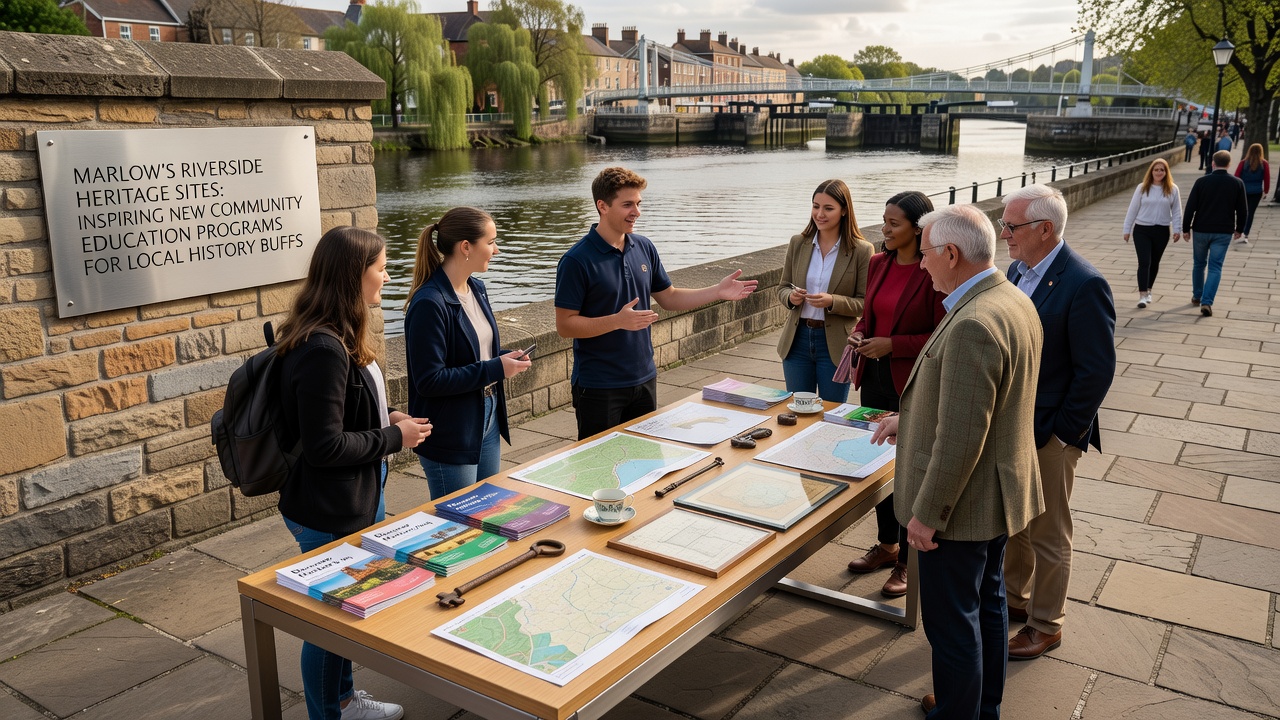
Community organizers have launched a series of guided sessions where attendees examine original documents and artifacts tied directly to the riverside locations, and the format encourages hands-on exploration rather than lectures alone. Sessions cover topics like navigation techniques used in earlier eras and the social roles played by riverside workers, with materials drawn from archives that include maps and photographs from the 1800s. Turns out these programs fill a gap because many residents want structured ways to engage with local stories beyond casual visits, and enrollment figures indicate growing interest from both long-term residents and newer arrivals. Coordinators have partnered with schools to offer after-hours options, which allows younger history buffs to join while maintaining accessibility for adults with varying schedules.
September 2026 Milestones and Expansions
Plans call for a dedicated festival in September 2026 that will tie multiple sites together through themed events, including evening talks at the old mill site and interactive displays along the towpath, and organizers expect the gatherings to draw participants from surrounding towns as well. Evidence from pilot events shows that combining outdoor exploration with indoor analysis increases retention of historical details, which is why the upcoming schedule includes both elements on the same day. Funding for these expansions comes partly from regional grants aimed at heritage preservation, and reports indicate that similar efforts in other river communities have produced measurable increases in volunteer involvement at local archives. Those coordinating the Marlow programs have adapted models from elsewhere to fit the specific layout of the Thames frontage here.
Community Involvement and Resources
Local history buffs contribute by sharing family records that connect to the riverside economy, and these contributions get incorporated into the program materials so the content reflects lived experiences rather than only official accounts. Workshops teach basic archival skills such as dating photographs and cross-referencing maps, which equips participants to continue independent research after the sessions end. According to Historic England, preserved riverside infrastructure like that found in Marlow represents an important category of industrial heritage that benefits from public engagement efforts. What's interesting is how these education programs also generate new documentation, since attendees often photograph and note details during visits that add to the collective record.
Additional support comes through digital platforms that host recordings of past sessions and allow remote access for those unable to attend in person, while in-person components remain central because the physical sites provide irreplaceable context. Researchers have observed that repeated visits to the same locations over different seasons help participants notice changes in the landscape that relate to historical flood patterns and maintenance practices. The ball's in the community's court to sustain momentum, yet early indicators suggest the combination of structured learning and site access creates lasting interest.
Conclusion
Overall the riverside heritage sites continue to serve as living classrooms that support expanding education programs, and the developments scheduled through September 2026 reflect a coordinated effort to make local history more accessible. Data shows participation rates rising in similar initiatives elsewhere, and Marlow's approach builds on those patterns while focusing on its unique collection of Thames-side features. Those involved expect the programs to evolve based on feedback, ensuring the sites remain central to how residents connect with their shared past.