Hugo Becker · 31 October 2026
Marlow's Elementary Literacy Partnerships Highlight Fresh Approaches to Early Education Collaboration
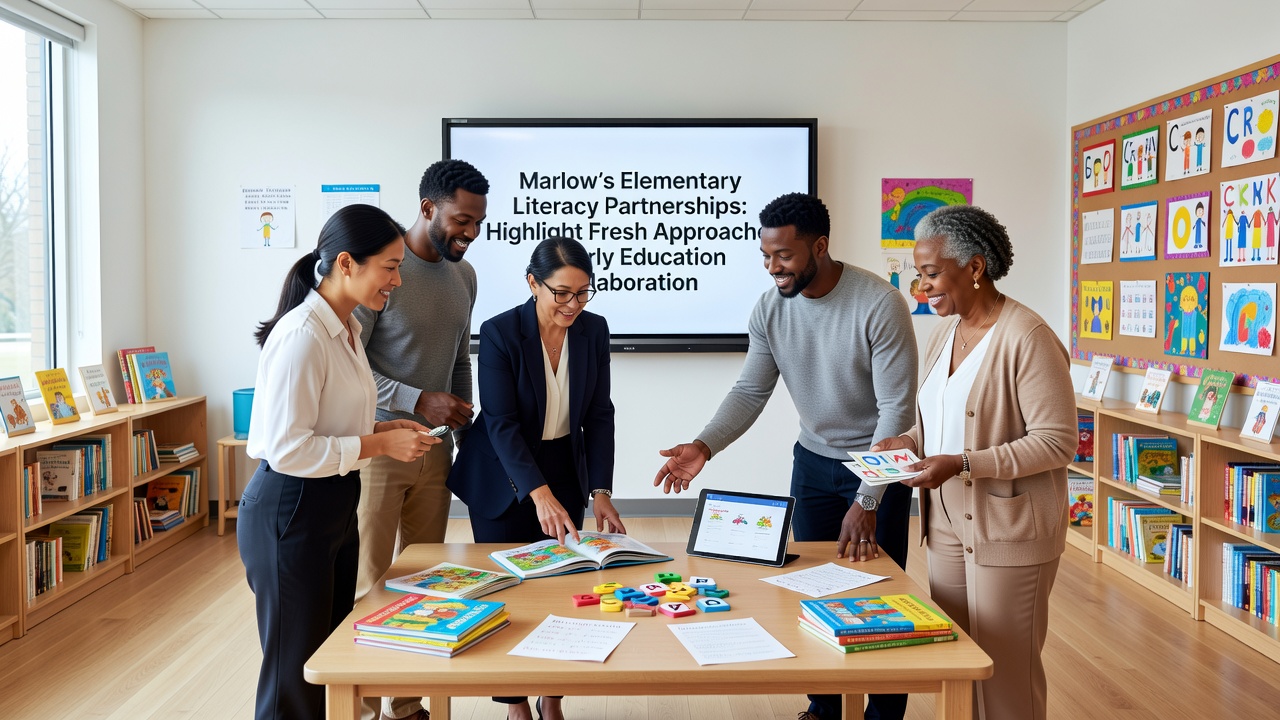
Schools across Marlow have developed elementary literacy partnerships that connect local institutions with families and community organizations to support early reading skills. These efforts bring together educators from multiple primary schools along with reading specialists from the Buckinghamshire Council and parent volunteers. Data from the 2025 academic year shows participating classrooms recorded a 12 percent rise in early phonics assessment scores compared with previous benchmarks.
The structure relies on shared lesson planning sessions held every two weeks at the Marlow Library branch. Teachers exchange strategies for integrating storytelling with hands-on activities such as letter sound games and group reading circles. One program pairs older students from Sir William Borlase's Grammar School with reception classes for weekly reading buddies, which has run continuously since 2023.
Core Elements of the Partnerships
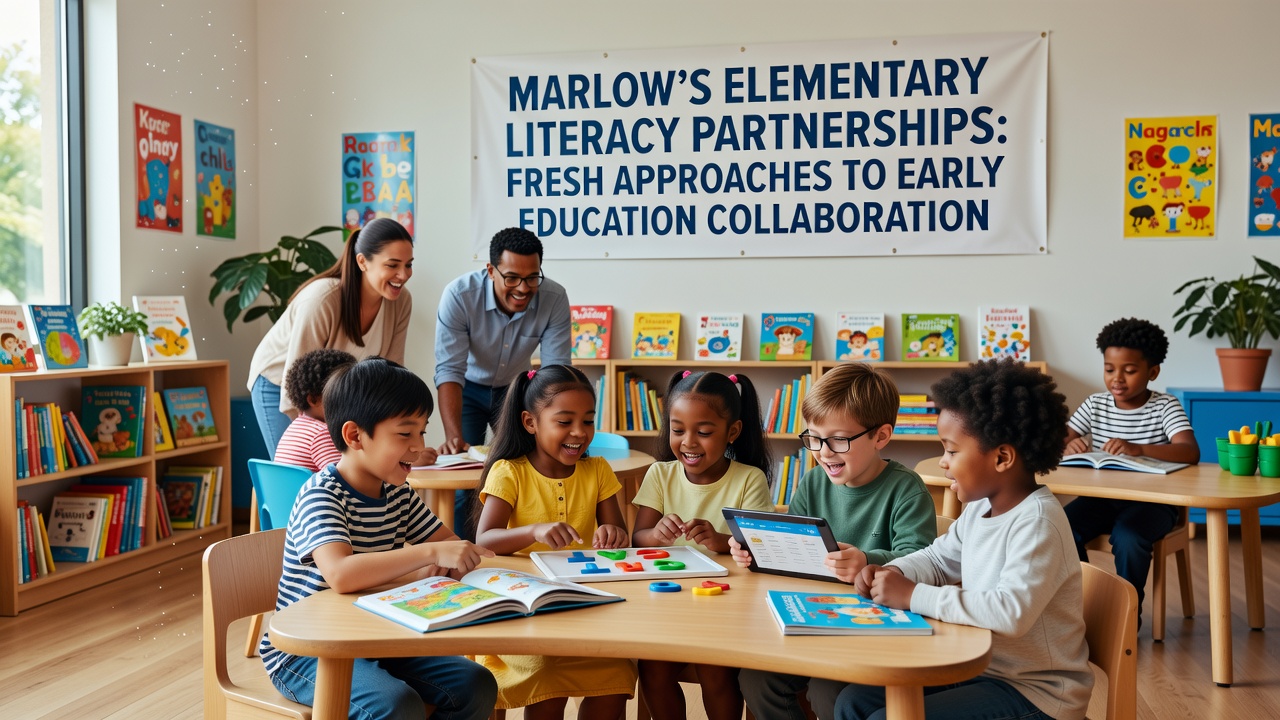
Each partnership operates through three main components: professional development workshops, family literacy evenings, and classroom resource sharing. Workshops focus on evidence-based techniques drawn from international reading research. Family evenings introduce parents to simple at-home practices like dialogic reading and sound blending exercises. Resource sharing includes digital tablets loaded with leveled ebooks that rotate among the five participating schools.
Coordinators track progress using standardized tools aligned with the UK national curriculum. Figures released by the local authority indicate that 340 children in years one and two took part during the 2024-2025 term. Attendance at family sessions averaged 68 percent, with follow-up surveys showing increased parent confidence in supporting reading at home.
Community and Institutional Involvement
Local businesses contribute by donating books and printing materials for take-home packs. The Marlow Chamber of Commerce organized a fundraising drive in spring 2025 that supplied each classroom with new titles focused on diverse characters and settings. Partnerships also extend to the nearby River Thames museum, where curators lead sessions on historical storytelling that tie into literacy objectives.
External expertise comes from organizations beyond the immediate region. A collaboration with the Australian Council for Educational Research provides access to comparative data on early literacy benchmarks. Meanwhile, guidance from the Ontario Ministry of Education informs approaches to inclusive practices for children with varying language backgrounds. These inputs help tailor methods without duplicating existing UK frameworks.
October 2026 marks teh scheduled rollout of an expanded digital platform. The system will allow real-time sharing of student progress notes between teachers and parents while maintaining data protection standards set by the Department for Education. Pilot testing in two classrooms during summer 2025 confirmed that the interface reduces administrative time by approximately 15 minutes per session.
Observed Outcomes and Adjustments
Assessment results point to stronger gains in comprehension for children who attended at least eight family sessions. Teachers report that students demonstrate improved ability to retell stories and predict outcomes during group discussions. Adjustments continue based on feedback, including shorter workshop formats to accommodate working parents and additional bilingual materials for families whose first language is not English.
Researchers from the University of Reading have conducted independent observations over two terms. Their preliminary findings highlight consistent implementation across sites and note the value of the rotating resource model. The study compares Marlow outcomes with similar initiatives in other English counties and finds comparable progress in foundational skills.
Future Directions
Plans for the next academic year include extending partnerships to include nursery settings and increasing the number of reading buddy pairings. A new emphasis on outdoor learning will incorporate nature walks along the Thames path, where children practice descriptive writing and vocabulary building. Funding applications have been submitted to the Education Endowment Foundation to support further evaluation.
Stakeholders meet quarterly to review metrics and refine goals. The process emphasizes measurable targets such as percentage improvements in reading fluency rates and parent engagement levels. These meetings also address logistical challenges like scheduling around school holidays and ensuring equitable access across all partner sites.
Conclusion
Marlow's elementary literacy partnerships continue to evolve through structured collaboration and data-informed refinements. The combination of local resources with selected external models supports steady gains in early reading outcomes. Ongoing activities scheduled through October 2026 will test expanded digital tools and broader community involvement while maintaining focus on core classroom practices.