Jonas Müller · 14 November 2026
Heritage Pubs Spark Storytelling Workshops Linking Marlow Schools with Literary Events
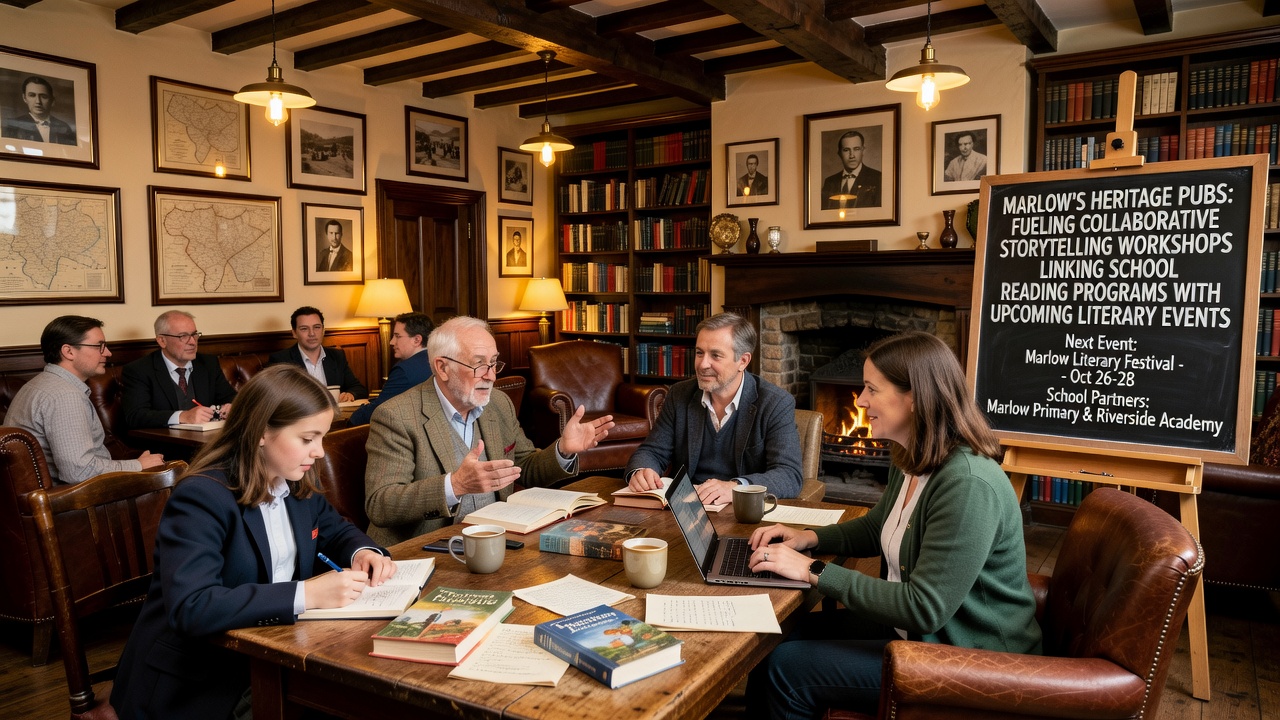
Marlow's collection of heritage pubs has become central to a series of collaborative storytelling workshops that connect local school reading programs with scheduled literary events, and these sessions draw on the town's historic venues to create shared spaces for narrative development and literacy practice.
Heritage Venues as Workshop Settings
Observers note that several longstanding pubs in Marlow, including those with documented ties to 18th and 19th century literary figures, now host regular workshops where students from primary and secondary schools work alongside authors and educators, while the settings provide architectural details and atmospheres that prompt discussion of plot structure and character background. Data from local education reports shows increased participation rates in reading activities when sessions occur in these venues rather than standard classrooms, and the arrangement allows participants to reference real historical contexts during story creation exercises.
Integration with School Reading Programs
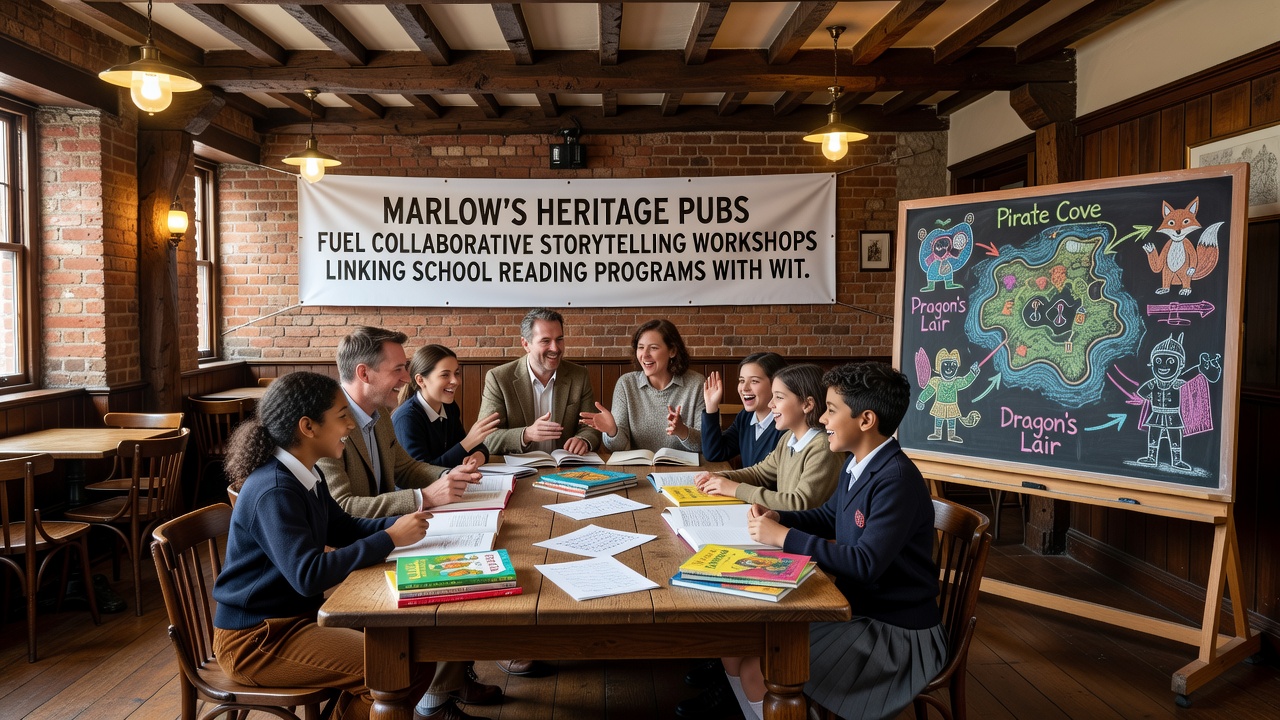
Schools across Marlow have aligned their curriculum modules on narrative comprehension with these pub-based workshops, and teachers report that students apply techniques learned during sessions to classroom texts, which results in measurable gains tracked through standardized assessments administered by the UK Department for Education. The workshops emphasize group storytelling where children contribute segments to collective tales, and this method builds on established reading programs by introducing collaborative elements that mirror upcoming literary festival formats.
One program coordinator described how sessions begin with readings from local authors before moving into guided improvisation, and the process encourages students to incorporate details from the pub environments such as old timber beams or river views into their narratives.
Link to Literary Events Scheduled for November 2026
Organizers have timed the workshops to prepare participants for literary events planned in Marlow during November 2026, and these include author panels plus public readings that will take place in multiple heritage locations. The connection means students develop stories that may feature at the events, while the structure ensures continuity between school activities and broader community programming.
Records indicate similar linkages have occurred in prior years, yet the 2026 schedule expands the model by incorporating digital archiving of workshop outputs for later festival display, and this addition draws on practices documented in reports from the British Library regarding community literary projects.
Workshop Structure and Participant Roles
Each session lasts approximately two hours and follows a sequence that starts with a brief historical overview of the pub, moves into paired writing tasks, and concludes with group performances, while facilitators from local literary groups guide the activities without directing content. Participants include Year 5 and Year 6 pupils alongside invited secondary students, and the mix allows peer mentoring to occur naturally during the storytelling phases.
Evidence from pilot evaluations shows that repeated attendance leads to improved narrative coherence scores, and these findings align with data collected by education authorities in other regions such as Australian state literacy initiatives that emphasize venue variety in reading interventions.
Broader Community Involvement
Pub owners contribute by providing spaces at no cost during designated hours, and local businesses supply materials like notebooks and projection equipment for the sessions. The arrangement creates a network where heritage preservation and education intersect, and community volunteers often assist with logistics to keep the focus on the storytelling itself.
Those who have tracked participation note steady growth since the program's expansion last year, and November 2026 events are expected to showcase outputs from at least eight workshops conducted across the preceding months.
Conclusion
The initiative demonstrates how Marlow's heritage pubs function as active sites for literacy development by hosting workshops that directly feed into scheduled literary events, and the model integrates school reading programs with community storytelling in a structured manner. Continued documentation of outcomes will inform future cycles, while the established partnerships between venues, schools, and organizers provide the foundation for sustained activity through 2026 and beyond.