Finley Braun · 17 October 2026
Heritage Designation for Marlow Venue Revives Interest in Literary History and Classroom Partnerships
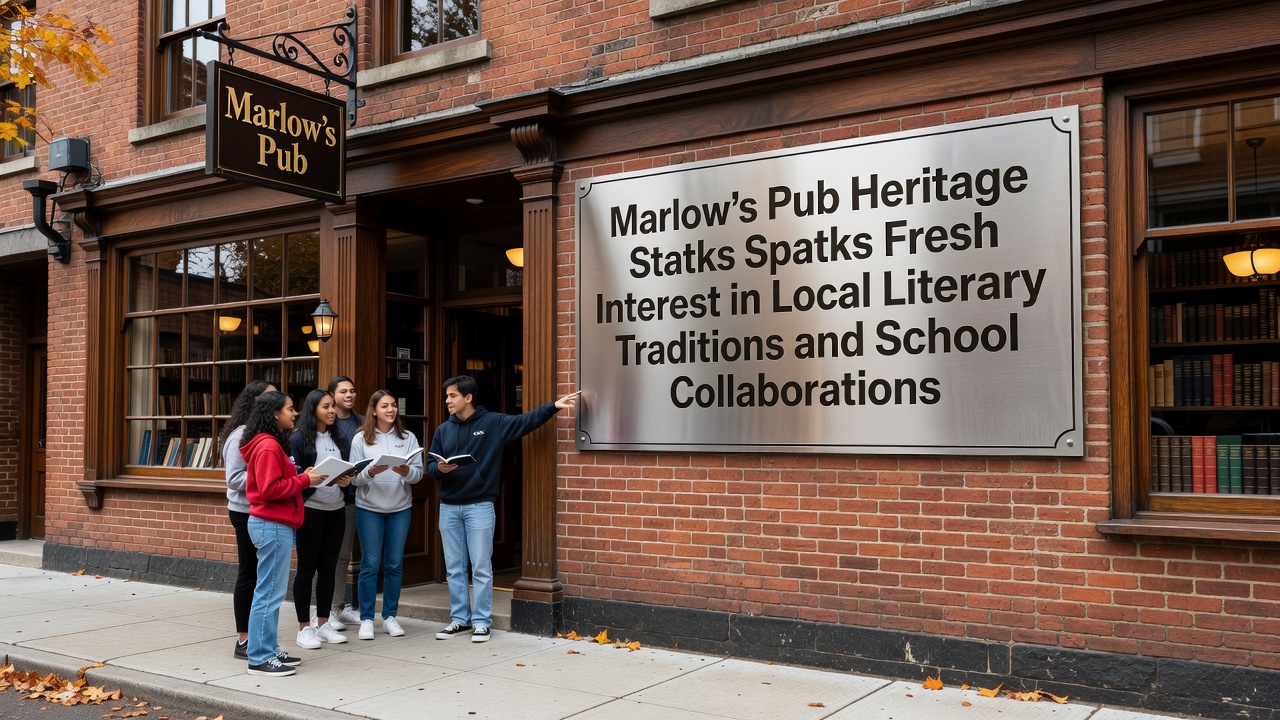
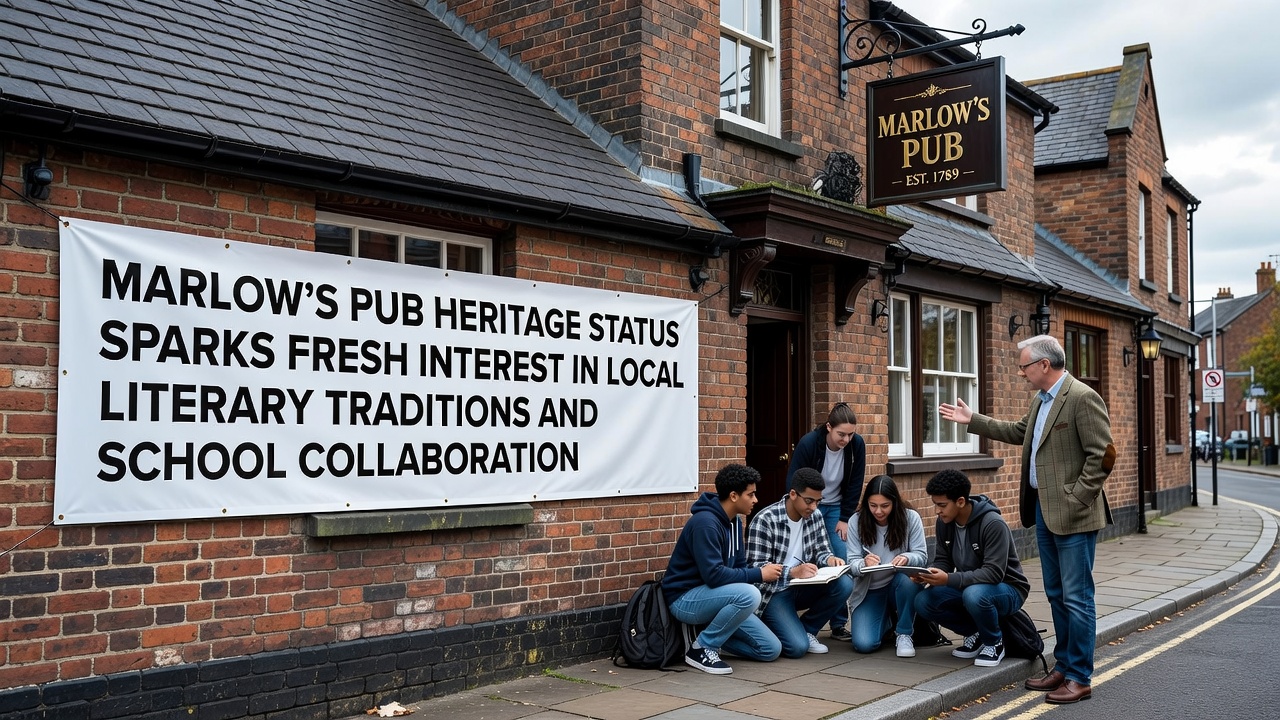
Marlow's pub received official heritage status in October 2026, and that recognition has prompted local groups to expand programs connecting students with regional authors and storytelling traditions. The designation came after reviews by preservation authorities highlighted the building's longstanding role as a gathering spot for writers and readers over several decades. Schools in the area have since begun planning joint events that use the venue's history as a starting point for lessons on narrative craft and community archives.
Background on the Designation Process
Local heritage officers compiled records showing the pub hosted regular literary gatherings from the early twentieth century onward, and those documents supported the successful application for protected status. Researchers cross-referenced diaries, newspaper notices, and architectural surveys to establish the site's continuous use as a cultural hub. The October 2026 announcement followed public consultation sessions where residents submitted additional photographs and letters that strengthened the case.
School Programs Already Underway
Teachers at several Marlow schools have introduced modules that pair archival research with visits to the protected building, and students now examine original manuscripts alongside guided tours of the interior spaces once used for readings. One collaboration pairs secondary classes with primary groups to create illustrated retellings of stories first shared at the pub decades ago, and the resulting booklets enter the school libraries for ongoing reference. Data from the local education authority shows increased enrollment in after-school writing clubs since the heritage news broke.
Turns out the pub's protected status also aligns with broader national efforts to preserve sites tied to literary figures, and similar projects have taken shape in other towns where historic inns gained listings. Observers note that these efforts often produce measurable upticks in student engagement with regional history curricula, according to reports issued by education monitoring bodies.
Community and Institutional Responses
Library staff and local authors have joined the school initiatives by supplying digitized collections and guest sessions, and these partnerships allow classes to compare handwritten notes from past literary events with contemporary student work. Funding for the first round of workshops came through a combination of school budgets and small grants from cultural trusts, while volunteers coordinate scheduling so that multiple year groups can participate without overlapping commitments. Records kept by the participating schools indicate steady attendance figures across the initial six-month period following the October 2026 designation.
Researchers from regional universities have begun documenting the outcomes of these collaborations, and preliminary findings point to improved student performance on local history assessments when lessons incorporate site visits. The approach mirrors programs documented by heritage organizations in other parts of Europe, where protected venues serve as living classrooms for literature and social studies.
Looking Ahead to Expanded Activities
Plans for 2027 include a series of public readings open to families, and organizers expect these events to draw on the same archival materials already integrated into classroom projects. Additional schools have expressed interest in joining the network, which would extend access to the protected venue's resources across a wider age range. Coordination meetings now occur monthly, and participants maintain shared digital folders that contain lesson plans, scanned documents, and student submissions for easy reference.
Evidence from comparable heritage-linked education efforts shows sustained involvement when schools maintain consistent contact with the site, and Marlow groups have adopted similar structures to support continuity. The October 2026 designation therefore functions as a catalyst that links preservation goals with practical teaching opportunities already embedded in the local curriculum.
Conclusion
The heritage listing of the Marlow pub continues to shape how schools approach literary traditions, and the resulting partnerships rely on documented records, scheduled visits, and shared resources to keep activities grounded in verifiable history. Future updates will track participation rates and curriculum adjustments as more classes incorporate the venue's story into their studies.